A Speculative Tabulation of the Medico-Techno-Political Eras of Physiotherapy
A heuristic table tracing how capitalism, medicine, and technology have shaped the body in physiotherapy
If you are interested in why physiotherapy looks the way it does today, or in what its future might hold, this table offers a starting point for thinking through these questions. The table emerged from my PhD research on the changing conceptions of the body in physiotherapy and first appeared in a 2026 paper theorizing the concept of the body in physiotherapy. It brings socioeconomic, technological, and medical transformations into conversation to consider how they have shaped what physiotherapists understand the body to be, what we do to and with it, and what we hope to achieve through our interventions.
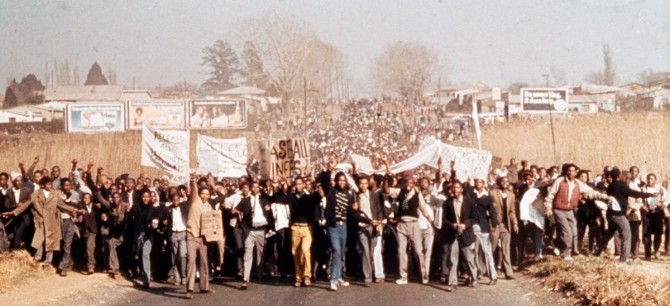
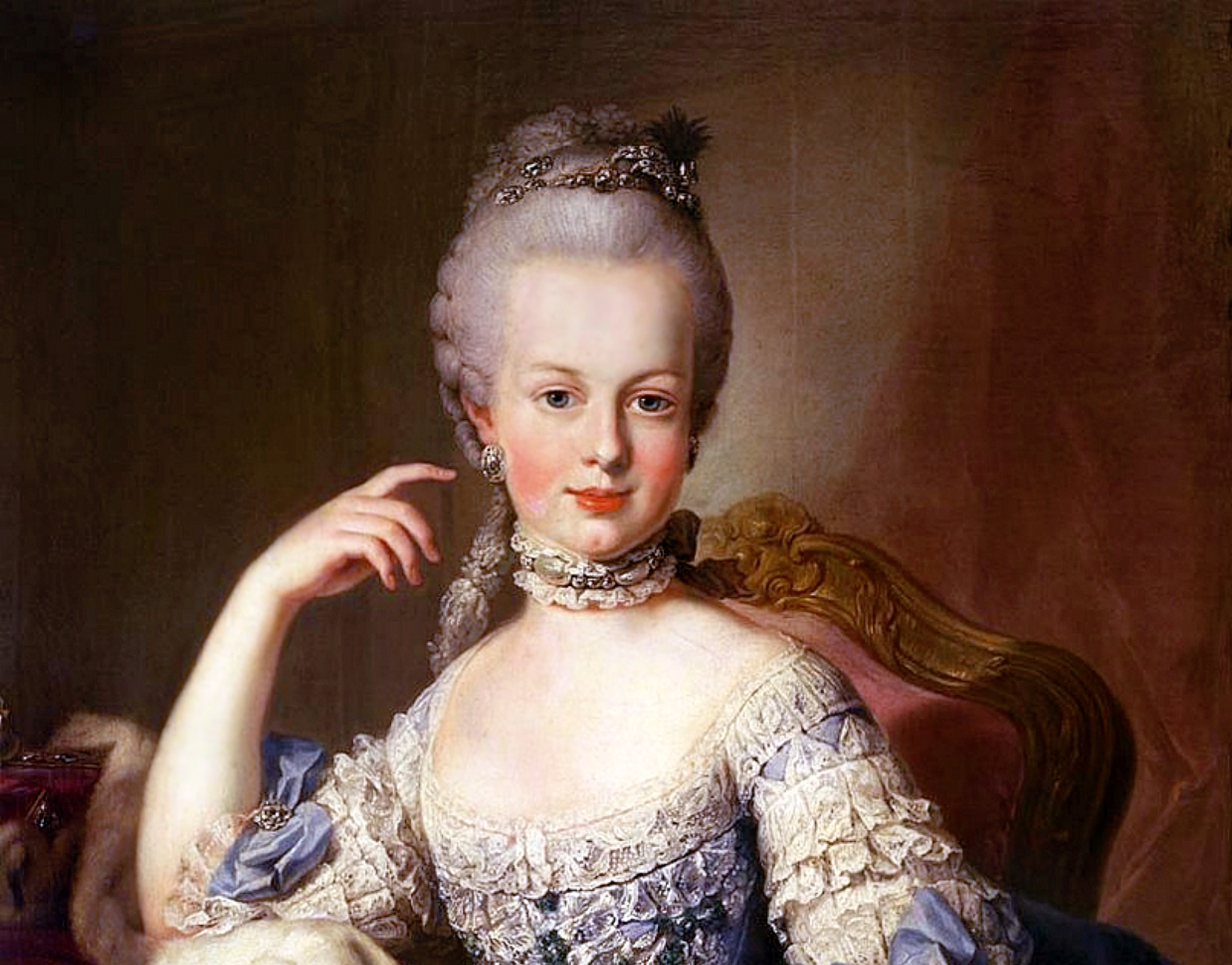
The eras documented here are not intended as discrete historical periods, rather, their temporal boundaries overlap, and their associated practices, technologies, and forms of power persist unevenly. Thus, the table serves as a heuristic device for speculating on how changing configurations of capitalism, medicine, and technology have shaped - and continue to reshape - the objects, practices, and political significance of physiotherapy.
Importantly, I find that this table demonstrates that physiotherapy doesn’t simply progress from one era to the next, with each bringing better knowledge, more sophisticated technologies, or more effective care. Rather, so-called ‘progress’ and what counts as progress is itself shaped by the cultural, economic, political, and technological conditions in which physiotherapy develops. Our practices are not simply the inevitable outcome of scientific discovery; they are also products of the worlds in which we practise.
Some of the associations I have made in this table are necessarily contestable, and I offer it as an invitation to think critically about physiotherapy’s present and possible futures. For a more detailed discussion of the argument underpinning the table, see my paper on Diagnosing the body in physiotherapy.
| APPROXIMATE TIME OF FLOURISHING* | 1650-1850 | 1780-1968 | 1850-PRESENT | 1980-PRESENT |
|---|---|---|---|---|
| SOCIOECONOMIC ERA | MERCHANT CAPITALISM | INDUSTRIAL CAPITALISM | NEOLIBERAL CAPITALISM | AFFECTIVE CAPITALISM |
| Mode of power* | Sovereign | Discipline | Security/biopower | Control |
| Valence of power | Negative (Law) | Negative (prescription) | Negative (regulation) | Positive (control) |
| Primary target of power* | Bodies / souls | Productive political capacities | Lives: individual / population | Affect |
| Subject* | Peasant / farmer | Worker / laborer / soldier | Individual consumer / user | Dividual |
| Primary actor* | King | Expert / professional | Subject | Self-entrepreneur |
| MEDICAL EPISTEME | BEDSIDE MEDICINE | HOSPITAL MEDICINE | SURVEILLANCE MEDICINE | AFFECTIVE MEDICINE |
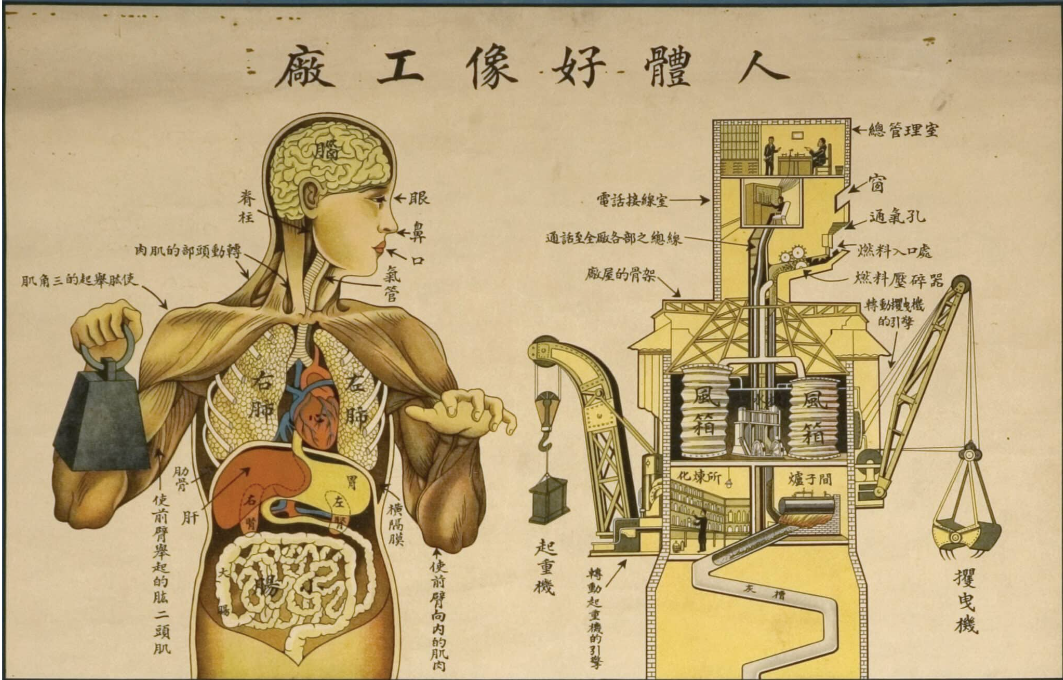
| Physiotherapy’s concept of the body | N/A | Body-as-machine (I) | Body-as-machine (II) | Body-as-modulation |
| Prominent physiotherapist | N/A | Pehr Henrik Ling, Johann Georg Mezger, Edgar Ferdinand Cyriax, Mary McMillan, Berta Bobath, Margret Rood, James Cyriax, Karel Lewit, Michael MacConaill, Stanley Paris, Serge Gracovetsky | Anders Bergmark, Geoffrey Maitland, Robin McKenzie, Brian Mulligan, Manohar Panjabi, Carolyn Richardson, Paul Hodges, Roberta Shepherd, Janet Carr, David Butler, Lorimer Moseley** | David Butler, Lorimer Moseley, Peter O’Sullivan, Adam Meakins, Ben Cormack… |
| Catch phrase | N/A | Normal, Ideal, wear and tear | Activate, deactivate, control | Living well, wear and repair |
| Operation of power | N/A | Spatial | Temporal (neurotic) | Temporal (optimistic) |
| Physiotherapy intervention | N/A | Hands on (i.e. passive and active movements) | Information (i.e. motor control retraining) | Affective (i.e. meaningful activity) |
| Physiotherapy technology | N/A | Pulleys; weights; resistance machines; traction; mechanotherapy; massage apparatus; hot packs; paraffin; hydrotherapy; ice/cold therapy; diathermy; infrared; ultraviolet; galvanic/faradic stimulation; early electrotherapy; goniometers; dynamometers | TENS; NMES; EMS; biofeedback; EMG; computerized dynamometry; force plates; motion-analysis systems; computers; electronic medical records; digital documentation; clinical databases; electronic outcome measures; patient-tracking systems; digital scheduling; wearable sensors | Internet; smartphones; apps; telehealth; social media; online platforms; patient portals; cloud computing; interoperable databases; wearables; remote-monitoring devices; digital exercise platforms; computer vision; machine learning; generative AI; AI clinical decision support; AI documentation/transcription; algorithmic assessment |
| TYPE OF MACHINE | AGRICULTURAL (SIMPLE) | INDUSTRIAL (COMPLICATED) | CYBERNETIC (COMPLEX) | MODULATION (AFFECTIVE) |
| Structure | Hardware: Pulleys, levers, hinges | Hardware: Mechanical and electrical components | Hardware: Integrated circuits, sensors, feedback loops. Software: external inputs and outputs. | Hardware: Servers and data centers. Software: platforms, machine learning, large language models. Interface: internal inputs, interactive, user oriented. |
| Mechanism | Mechanical force and manual labor | Conversion of energy (steam, electricity) | Information processing, prediction, automatic control | Modulating affect |
| Passive danger | Loss of human manual labourers | Entropy | Jamming, errors | Prediction errors |
| Active danger | Protest | Sabotage | Viruses, piracy | TBD |
*Inspired by Culp (2020b).
**David Butler and Lorimer Moseley are arguably on the cusp between the body-as-machine (II) and body-as-modulation with much of their work advocating for ‘inputs’ and ‘outputs’ while also emphasizing the importance of the patient’s lived experience.
Note
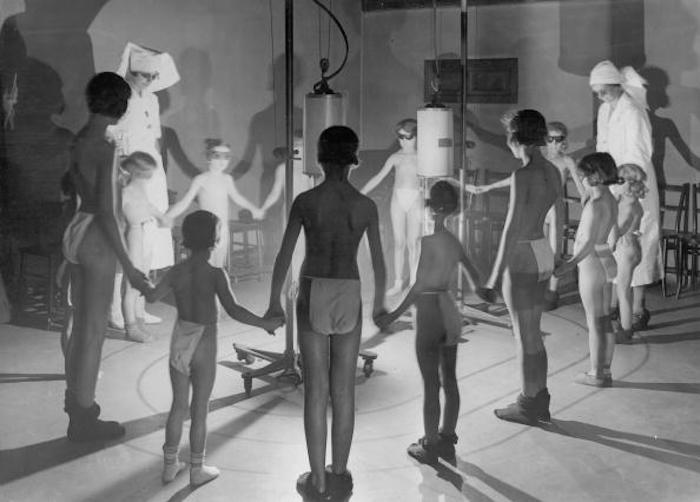
The cover image depicts children receiving ultraviolet phototherapy at The Institute for Radiation Therapy in London 1934.